
01BA & BE
What are BA & BE Studies in Clinical Research?
Bioavailability (BA) and Bioequivalence (BE) studies play a pivotal role in the development and approval of generic drugs, biosimilars, and novel formulations. In clinical research, BA studies measure the rate and extent to which the active pharmaceutical ingredient reaches systemic circulation, while BE studies compare that performance between test and reference formulations under comparable conditions. This guide is designed especially for students in pharmaceutical sciences and clinical research, providing you a comprehensive overview of protocols, regulatory requirements (FDA, EMA, CDSCO), study designs (crossover, parallel), statistical considerations, and real-world case examples.
- BA = Bioavailability studies
- Measure how much and how fast the drug (active ingredient) becomes available in the blood after administration.
- BE = Bioequivalence studies
- Compare a generic drug with a reference branded drug to show they act the same in the body (similar rate & extent of absorption).
02Importance
Why are BA/BE studies important?
Regulatory requirement
Required by agencies like USFDA, EMA, DCGI for generic drug approvals.
Ensures safety & efficacy
Confirms generics are therapeutically equivalent to innovator drugs.
Cost-effective healthcare
Allows safe, cheaper generic medicines to enter the market.
03Steps
Steps in a BA/BE study in clinical research
Illustrative concentration–time profile, test (orange) vs reference.
 01
Study Design
Usually crossover study in healthy volunteers. Subjects receive both test (generic) and reference (brand) drug in different periods.
 02
Dosing & Sample Collection
Blood samples collected at fixed intervals.
 03
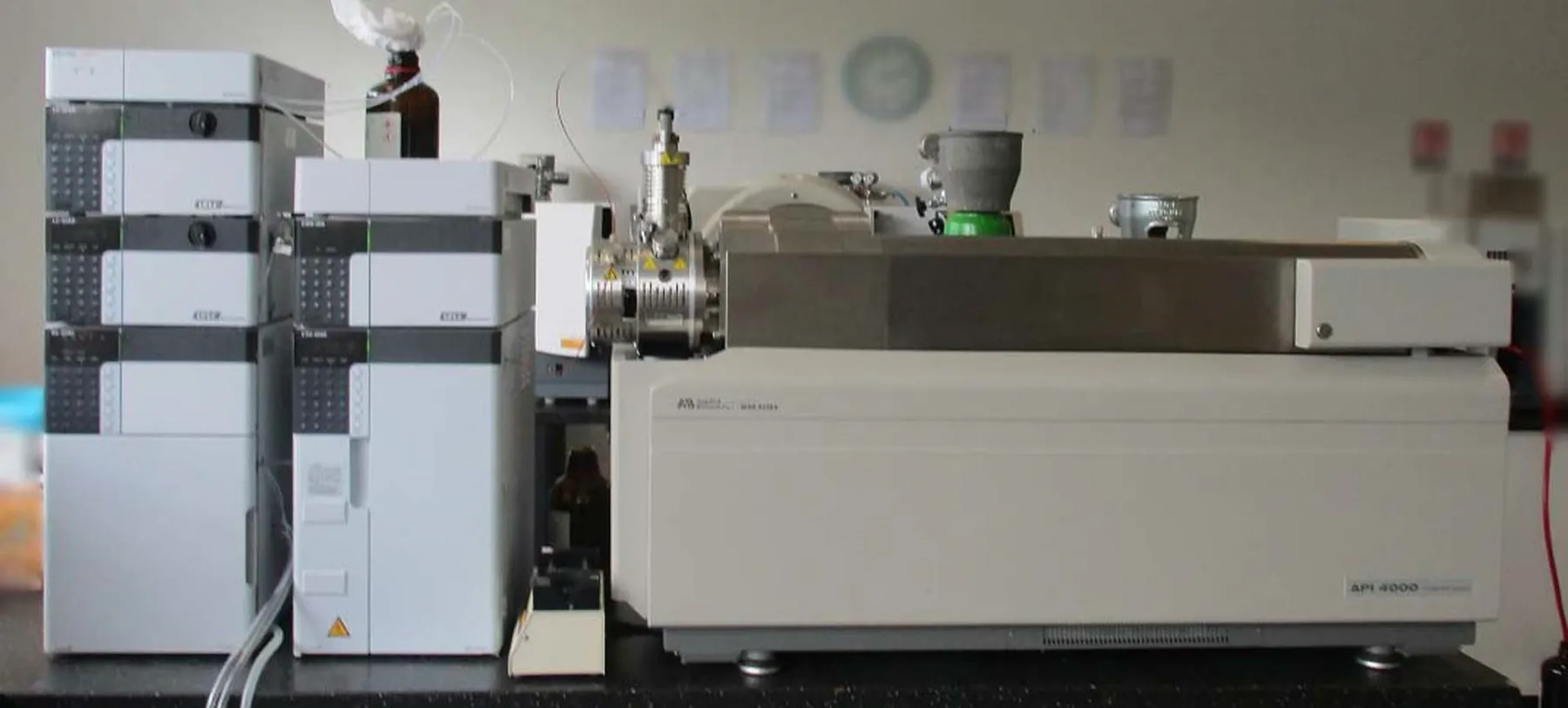
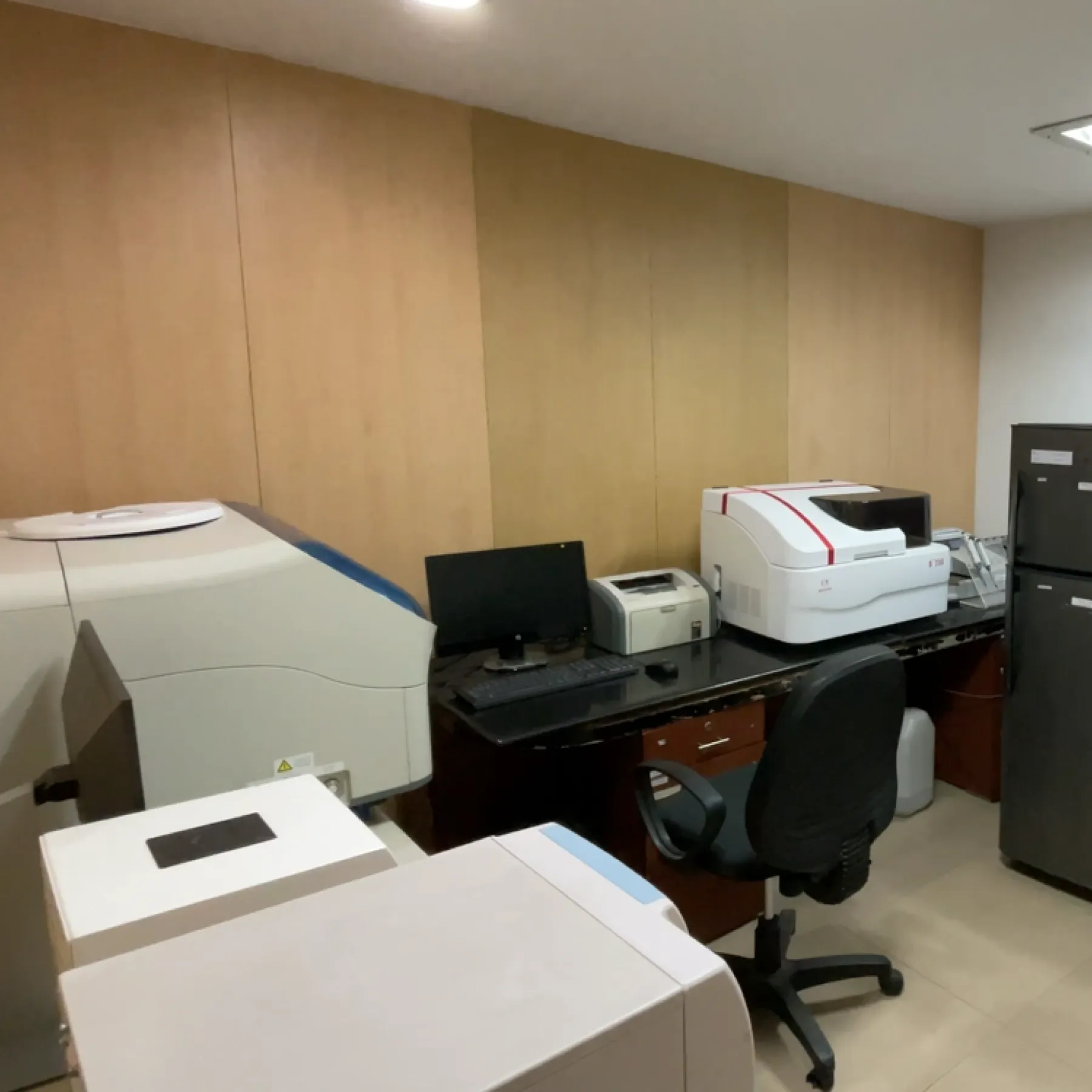
Bioanalytical Testing
Drug concentration in plasma is measured using LC-MS/MS or other validated techniques.
 04
Pharmacokinetic (PK) Analysis
Parameters like Cmax (maximum concentration), Tmax (time to reach Cmax), AUC (area under curve) are calculated.
 05
Statistical Analysis
Ratios of test vs reference drug are compared. If within 80–125% (as per FDA/EMA), drugs are considered bioequivalent.
04Students Activities
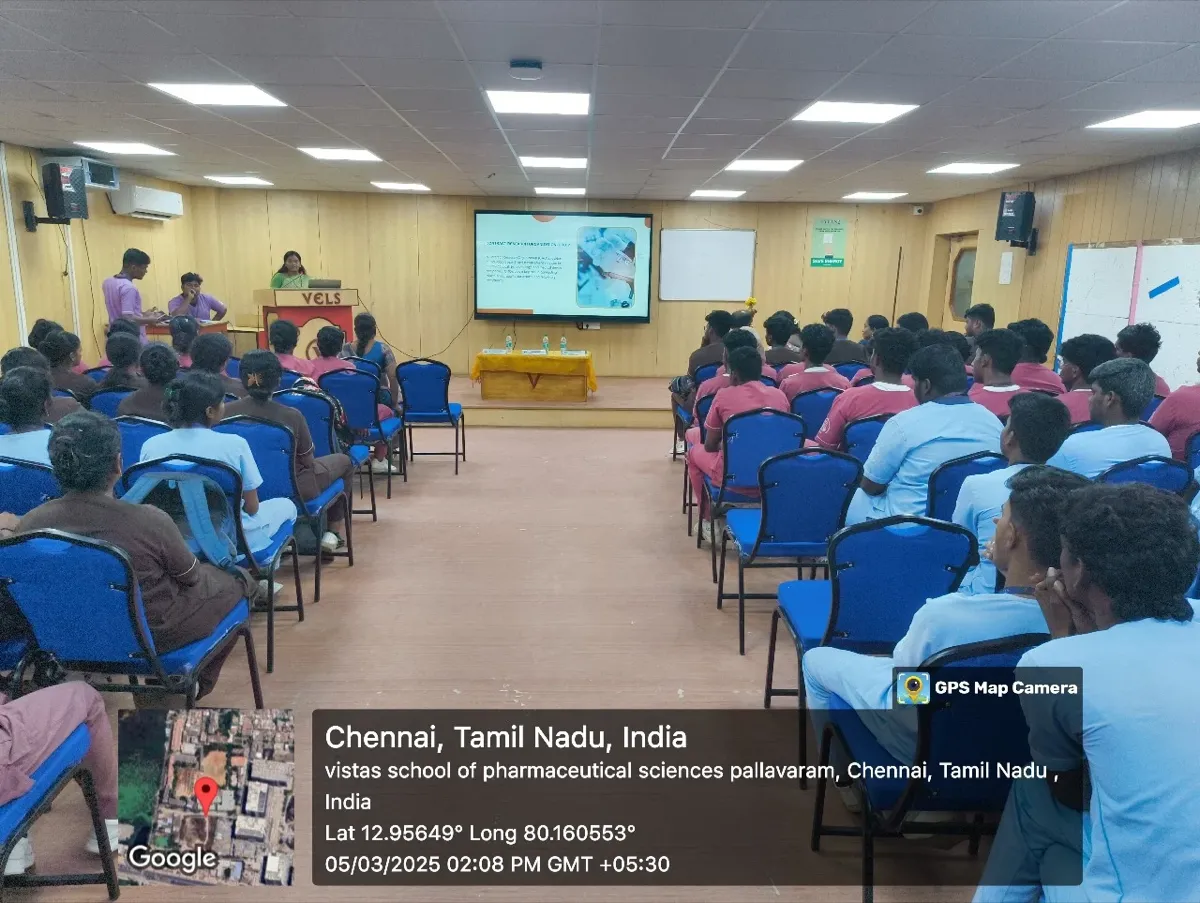
Student Activities
Explore our workshops, internships, and research experiences.







05Video
Student Activities Video
06Get Your Training Now
Get Your Training Now
Register below for internships, workshops, industrial visits, or thesis support at MTRL.
For Internship, Industrial Visit, and Projects
Email: studentsenquiry@microtheraps.com
Contact: +91 78459 88239, +91 89399 98709